Since its launch in late December 2025, the “Southbound Travel for Guangdong Vehicles – Entry into Urban Area” scheme has quickly become one of the most talked-about cross-border initiatives in the Greater Bay Area. Eligible private cars registered in Guangdong can now drive directly into Hong Kong’s urban districts via the Hong Kong–Zhuhai–Macao Bridge, simply by securing a daily booking — no traditional quota system required. The process is more flexible, more direct, and more user-friendly than before.
According to Hong Kong’s Transport Department, more than 3,000 applications had already been processed by the end of February. The Government has also indicated that the scheme is set to expand to four additional Guangdong cities after the initial six-month pilot phase. In practical terms, 2026 will see continued growth. As integration deepens in the Greater Bay Area, this cross-border self-drive option is set to grow significantly throughout 2026.
For car park operators — whether you manage a shopping mall, hotel, retail portfolio, office tower or residential estate — this is not just a transport policy. It is a real commercial opportunity. More Guangdong vehicles mean more shoppers, diners and overnight guests, but only if your parking facilities are ready. If drivers get stuck at the gate before they even step into your property, the first experience is already compromised.
Smooth, Hassle-Free Entry Starts at the Gate
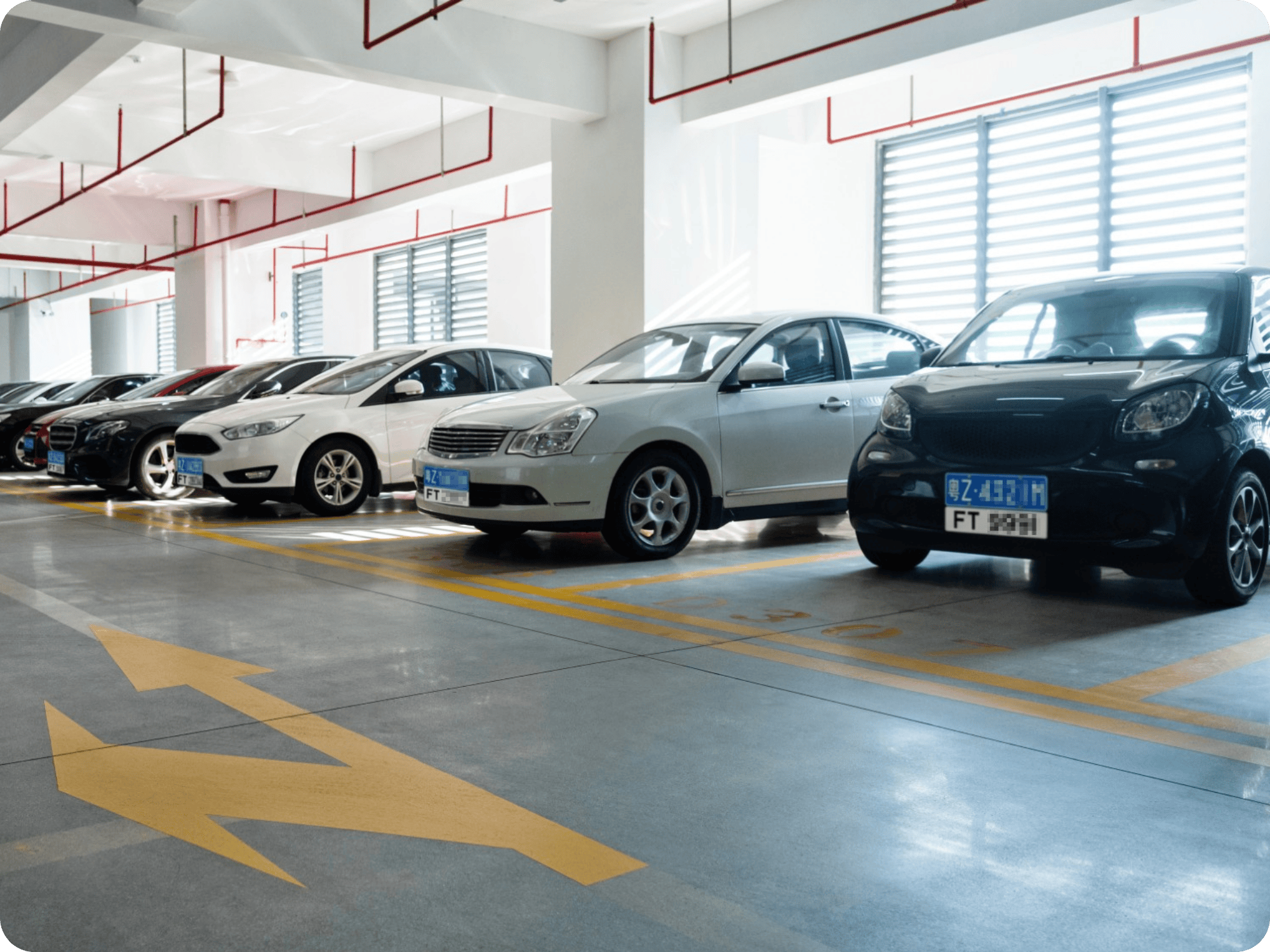
Hong Kong car parks have traditionally been designed for right-hand-drive vehicles, with Octopus as the default payment method. Guangdong cars, however, are left-hand drive, and their drivers are more accustomed to mobile payments. This difference makes a big impact in operations.
Picture the scenario: a Guangdong vehicle pulls up to the entrance. The Octopus reader is installed on the right. The driver struggles to reach across — or worse, opens the door to tap the card. Some may not even carry an Octopus card at all. A few seconds’ delay per car quickly turns into a queue, especially during peak hours. For drivers, it is inconvenient. For operators, it affects efficiency, traffic flow and brand perception.
Sites ahead of the curve are moving to AI-powered license plate recognition (LPR) systems. High-accuracy cameras automatically read both Hong Kong and Guangdong plates. No tapping, no stopping, vehicles drive through seamlessly.
For cross-border visitors, a smooth, convenient arrival experience significantly increases the likelihood that they will return.
Seamless Payment Methods Tailored to Mainland Habits
Payment methods are critical. Guangdong drivers rely heavily on WeChat Pay and Alipay in their daily lives. If your facility supports only Octopus or credit cards, the exit lane can easily become another bottleneck.
The ideal solution is full integration between LPR and digital payment. Once the system recognises the licence plate, the exit screen displays the parking fee along with a dedicated QR code. The driver simply scans it using WeChat Pay or Alipay and completes the transaction instantly — fully contactless, fully aligned with Mainland user habits.
At the same time, retaining Octopus and credit card options ensures you continue to serve local customers without disruption. The more comprehensive the payment options, the smoother traffic flow and the higher the success rate of transactions. In the long run, this is not only about customer convenience, but also a strategy to safeguard revenue and enhance operational efficiency.
Turning Data into Competitive Advantage
Southbound visitors bring distinct consumption patterns. Their length of stay, parking duration, and responsiveness to promotions differ significantly from local market. If operators continue to rely on experience or rough estimates, they risk overlooking valuable insights and missing critical opportunities to drive engagement and growth.
With a robust management platform, operators can track Guangdong vehicle usage in real time, analyse revenue by payment type, and identify traffic trends as they emerge. This allows for smarter manpower planning during peak periods, dynamic pricing strategies, or targeted promotions designed specifically for cross-border customers.
When the Southbound scheme expands further in 2026, data will become one of your most valuable strategic assets.
Prepare Now for the Next Phase of the Greater Bay Area
The Guangdong Cars Southbound initiative is not a short-term surge. It reflects the long-term direction of Greater Bay Area integration. As more cities are included and daily quotas increase, cross-border self-drive travel will become increasingly common.
Operators who can offer a smooth, intuitive parking experience will position themselves as the preferred destination for Guangdong drivers — whether for shopping, business or leisure.
ACSL’s SmartCode Parking Management System is designed with exactly this in mind. It combines AI-powered licence plate recognition, support for mainstream Mainland digital payments, and comprehensive analytics tools — helping operators reduce manual errors, enhance customer satisfaction and drive sustainable revenue growth.
Rather than reacting when traffic volumes surge, now is the time to upgrade strategically. Make your car park more than just a place to park — make it the first positive touchpoint for Guangdong drivers entering Hong Kong.
Ready to capture the next wave of cross-border demand? Contact us for a tailored consultation and position your business at the forefront of 2026’s growing opportunities.